


New Rules for the Distribution of LPG Gas in Mexico
Discover how Mexico’s new safety rules for Liquefied Petroleum Gas (LPG) transport will impact your fleet and learn what your operations must do to stay compliant and protected.
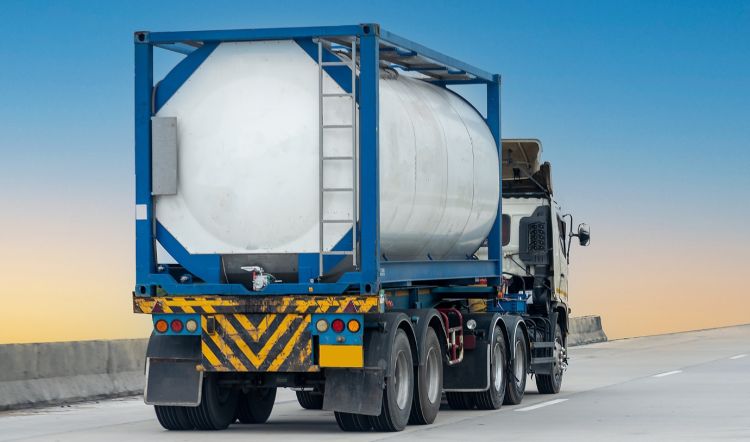
Liquefied Petroleum Gas (LPG) plays an essential role in Mexico’s energy landscape, supplying households, commercial businesses, and major industries nationwide. In recent years, however, several serious incidents, including leaks and vehicle explosions, raised urgent concerns about safety and monitoring practices in the sector. These events led the Mexican government to introduce new regulations for companies involved in the transportation and distribution of LPG.
Why Mexico Strengthened Its LPG Regulations
The New Safety Regulation for the transport and distribution of LPG comes as a direct response to a series of high-profile accidents that highlighted the need for tighter oversight. These events revealed gaps in vehicle monitoring, emergency readiness, and operational control. As a result, the Ministry of Energy (SENER) elevated the regulatory framework to ensure greater protection for communities, drivers, and businesses.
The new rules emphasize continuous supervision of LPG gas transport. This includes the expectation that fleets maintain controlled speeds, adhere to strict safety protocols, and implement advanced monitoring systems that ensure real-time visibility. The goal is clear: enhance safety standards, minimize the risk of leaks or explosions, and restore public confidence in the transportation of hazardous materials.
Requirements That Transport Companies Must Now Meet
The new regulatory framework brings several operational updates that fleets must adopt. These requirements include:
- Using speed governors and continuous GPS tracking for full vehicle supervision
- Complying with maintenance programs and providing proof to ASEA when required
- Performing external and internal inspections of LPG containers to ensure safety
- Completing periodic hydrostatic pressure tests to verify container integrity
- Providing accredited technical and practical training for operators following ASEA, SICT, SENER, and CONOCER standards
For many organizations, these requirements represent a considerable shift in daily procedures. They demand a more disciplined approach, supported by technology that can reliably track, monitor, and document compliance.
What This Means for Daily Fleet Operations
Mexico’s new rules for LPG transport mark a turning point for safety and compliance in the sector. Companies that adapt early will reduce risks, protect their teams, and avoid penalties or disruptions. With the proper monitoring tools and reliable operational data, fleets can transform compliance from a challenge into an opportunity for safer and more predictable operations.
Contact our fleet management experts today to learn how we can help your company stay compliant and protected under Mexico’s new LPG regulations.