


Summer Increases Pressure on Fleets and Quickly Exposes Inefficiencies
Higher demand, heat, and congestion can quickly turn small inefficiencies into real costs.
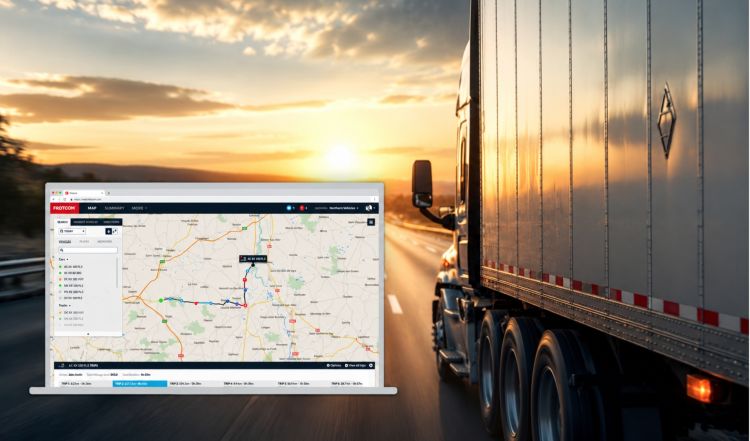
Summer is often treated as a seasonal operational challenge, but for many fleets, it becomes a real stress test. Higher temperatures, increased seasonal traffic, tighter delivery windows, and heavier operational demands place fleets under significant pressure, quickly exposing weaknesses that often remain hidden under normal conditions.
When margins are already tight, even small inefficiencies become harder to absorb. Minor delays lead to larger disruptions, fuel consumption rises faster, and operational flexibility begins to erode.
Pressure Amplifies What Fleets Fail to Control
Under high-pressure conditions, operational inefficiencies stop being manageable details and become visible financial and operational risks. Summer typically intensifies:
- Fuel consumption driven by traffic, idling, and inefficient route planning;
- Vehicle wear due to heat and increased workload;
- Driver fatigue during long shifts and difficult road conditions;
- Delivery disruptions caused by congestion and operational delays.
What makes these problems dangerous is not only their existence, but how quickly they escalate when operations become more demanding.
In many fleets, the real issue is the accumulation of small inefficiencies that slowly reduce operational resilience.
The Operational Risk Is Lack of Visibility
One of the biggest differences between efficient fleets and struggling fleets during the summer is the level of operational visibility. Without real-time operational insight:
- Problems are identified too late;
- Teams react instead of anticipate;
- Costs increase without a clear explanation;
- Managers lose the ability to adjust operations quickly.
The issue is not necessarily operational complexity itself. It is the inability to clearly understand where inefficiencies occur and how they affect the fleet in real time.
Efficient Fleets Respond Faster Because They See More
The fleets that perform best during high-pressure periods are not those without operational challenges. They are the ones who identify issues early and adapt quickly. Efficient fleets:
- Monitor vehicles and operations continuously;
- Detect operational risks before they escalate;
- Adjust routes and schedules dynamically;
- Analyze KPIs to improve fuel efficiency and resource allocation;
- Use fleet management data to support faster and more accurate decisions.
Operational resilience today depends less on reacting well and more on maintaining visibility as conditions change.
Operational Control Is Measured Under Pressure
Summer conditions reveal whether fleet operations are truly optimized or simply functioning under stable conditions. Fleets supported by real-time data and operational insight are better prepared to maintain efficiency, control costs, and respond faster to disruptions.
Is your fleet ready for high-pressure summer conditions? Talk to our fleet experts and discover how real-time visibility and data-driven decisions can help keep your operations efficient all summer long.