


How Video Telematics Improves Fleet Safety
Why visibility and context are essential to protect drivers and prevent accidents.
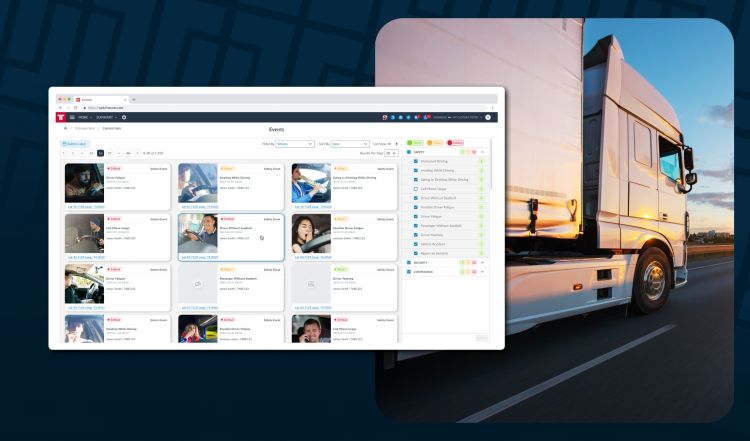
Road safety remains one of the biggest challenges in fleet operations. Driver fatigue, distractions, and unpredictable road conditions all contribute to operational risk, higher costs, and, most importantly, potential harm to drivers.
While traditional telematics provides valuable data, many fleets still lack the context needed to fully understand what happens on the road. This is where video telematics becomes essential, combining data with visual evidence to provide a clearer, more complete picture of each event.
Road Safety: A Continuous Operational Challenge
Fleet operations expose drivers to a wide range of risks every day, including:
- Road accidents and near-miss incidents;
- Driver distraction and unsafe driving behavior;
- Fatigue from long driving hours;
- Adverse weather and road conditions;
- Limited visibility into what actually caused incidents.
Safety cannot be managed only after something happens. Many incidents can be prevented when fleets monitor behavior continuously and act early.
From Data to Context: The Evolution of Telematics
Traditional telematics focuses on data such as speed, braking, acceleration, and location. While this information is essential, it often lacks context.
Video telematics adds that missing layer:
📊Data tells you what happened.
📷Video shows you why it happened.
By combining video, location, and driving data, you gain a complete understanding of each event. This makes it easier to validate incidents, prevent misinterpretation, and make more informed decisions.
Driver Safety Through Proactive Monitoring
Video telematics helps protect drivers by supporting safer driving and reducing risk exposure.
With the right tools, fleets can:
- Identify risky driving behavior early;
- Trigger real-time alerts to help prevent incidents;
- Support driver coaching with real examples;
- Protect drivers against false claims with video evidence;
- Increase awareness and accountability.
This approach creates a safer working environment while helping drivers improve performance through clear, objective feedback.
Operational and Safety Benefits
Improving safety also improves operational performance. Video telematics helps measure results across multiple areas:
- Fewer accidents;
- Lower costs related to incidents and repairs;
- Improved driving behavior;
- Increased safety for drivers and other road users;
- Stronger safety culture across the organization;
- Reduced exposure to disputes and false claims.
By linking safety with efficiency, fleets can protect people while also improving overall performance.
Safety Starts Before the Incident
Road safety cannot depend on reacting after an incident occurs. It requires continuous monitoring, clear insight, and the ability to act early. Video telematics represents a major step forward in fleet safety by turning data into actionable insight and giving fleets the tools to protect their drivers more effectively.
Ready to improve your fleet’s safety and protect your drivers? Contact our fleet specialists to explore the right setup for your fleet.