


The Rise of CO₂-Based Road Charging Across Europe
Why vehicle emissions are becoming a new operational cost for fleets.
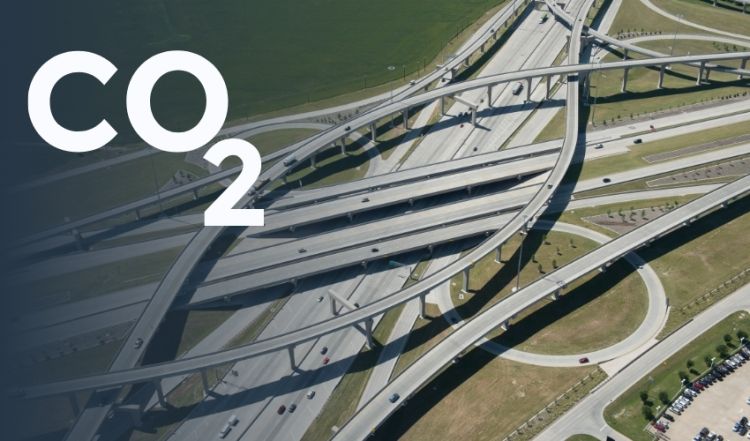
Road tolls in Europe are evolving. Following the revision of the Eurovignette Directive, several countries have introduced, or are preparing to introduce, CO₂-based road charging for heavy-duty vehicles.
In 2026, the Council of the European Union and the European Parliament reached a provisional agreement to clarify and strengthen these rules, making vehicle emissions an increasingly important factor in road transport costs.
When Lower Emissions Mean Lower Road Charges
CO₂-based road charging classifies vehicles according to their emissions. Cleaner vehicles may benefit from lower tolls, while higher-emission vehicles may pay more.
Some European countries, including Germany, Austria, the Czech Republic, Hungary, Sweden, and Denmark, have already implemented or announced road charging systems aligned with the revised Eurovignette Directive. As a result, two trucks traveling the same route may now pay different tolls simply because of their CO₂ emissions.
A New Cost That Requires Better Fleet Decisions
CO₂-based charging adds another variable to fleet operating costs. You now need to consider fuel prices, maintenance expenses, vehicle utilization, and how each vehicle's emissions affect the total cost of every trip.
This is particularly relevant for companies operating long-distance or cross-border transport, where tolls can represent a significant share of operating expenses.
To remain competitive, your fleet needs greater visibility into:
- Fuel consumption by vehicle;
- Vehicle utilization and mileage;
- Fleet composition and powertrain performance;
- Cost per kilometer and total operating costs.
As environmental regulations continue to evolve, these metrics become essential for controlling costs and making informed investment decisions.
How Fleets Are Preparing for the Transition
Reducing the impact of CO₂-based road charging does not necessarily require replacing an entire fleet at once.
Many transport companies are preparing by:
- Gradually renewing older vehicles;
- Introducing electric and alternative-fuel vehicles where operationally viable;
- Improving drivers’ driving behavior to reduce fuel consumption;
- Optimizing routes to minimize unnecessary mileage;
- Using operational data to identify inefficiencies and improve fleet performance.
The objective is not only to reduce emissions. It is also to operate more efficiently while controlling the growing costs associated with road transport.
The Future of Road Charging Is Data-Driven
CO₂-based road charging is reshaping European transport. As more countries adopt emissions-based tolls, fleet managers must consider CO₂ emissions alongside fuel consumption and vehicle use.
Companies that combine sustainability with data-driven fleet management will be better positioned to remain efficient and competitive.
Are CO₂-based road charges increasing your fleet costs? Talk to our fleet management experts and discover how better fleet visibility can support smarter operational decisions.