


The Challenge of Cross-Border Fleet Operations in Europe
Why international fleet operations are becoming increasingly complex.
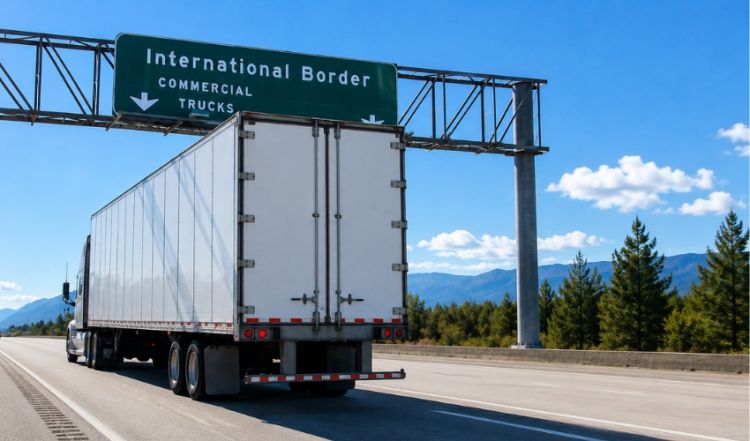
Cross-border transport within the European Union, including operating fleets across multiple countries, brings significant operational, regulatory, and coordination challenges. For transport companies, moving cargo across borders requires continuous oversight of compliance, driver activity, route planning, operational costs, and real-time coordination across diverse legal and operational environments.
Transport companies operating internationally need to manage:
- Driving and rest time regulations;
- Tachograph compliance requirements;
- Cabotage restrictions under the EU Mobility Package;
- Different toll systems and environmental zones;
- Country-specific operational and administrative requirements.
Since the implementation of the EU Mobility Package, fleets operating across borders have faced stricter compliance obligations related to driver postings, return-to-base requirements, and tachograph monitoring.
Rising Costs Are Increasing Operational Pressure
Cross-border operations are also becoming more expensive and more sensitive to disruption. International fleets are increasingly affected by:
- Fuel price volatility across European markets;
- Higher toll and infrastructure costs;
- Delays linked to inspections, congestion, or border procedures;
- Driver shortages are affecting route planning and scheduling.
According to World Road Transport Organization reports, driver shortages continue to impact freight capacity across Europe, creating additional pressure on logistics operators and delivery timelines.
Why Real-Time Visibility Has Become Essential
As cross-border operations become more dynamic, companies can no longer rely on fragmented systems or delayed operational information. Modern fleet management solutions help companies:
- Monitor vehicles in real time across multiple countries;
- Automate tachograph and compliance management;
- Optimize international route planning;
- Improve communication with drivers;
- Centralize operational data into a single platform.
This visibility enables you to respond faster to disruptions, reduce administrative complexity, and maintain greater control over international operations.
The Future of Cross-Border Fleet Operations
European cross-border transport will continue evolving alongside digitalization, stricter regulation, and increasing sustainability requirements. The fleets best prepared for the future will be those capable of adapting quickly to regulatory changes, automating compliance processes, and using real-time operational data to coordinate international operations more efficiently.
Managing cross-border fleet operations in Europe? Contact us and discover how intelligent fleet management and real-time visibility can help simplify compliance, improve coordination, and keep your operations moving efficiently across borders.