


Data-Driven Strategies to Optimize Your Fleet’s Fuel Management
Fuel optimization is no longer a matter of intuition. In 2026, the most competitive fleets will be those that use real-time data, advanced telematics, and analytics to eliminate wastage and maximize energy efficiency.
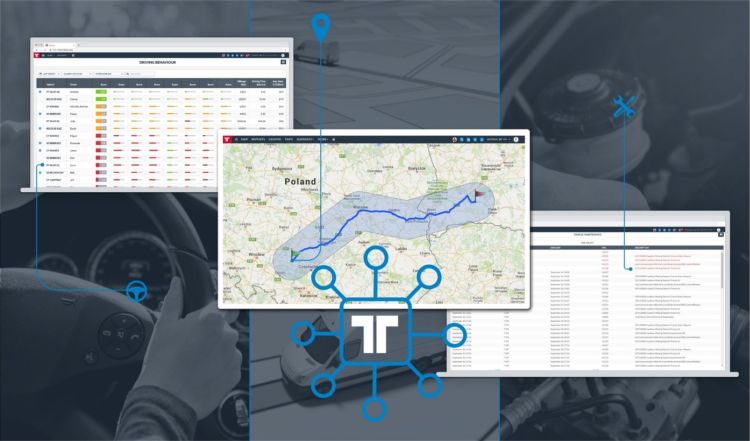
When fleet decisions are based on real-time insights rather than assumptions, fuel optimization becomes predictable, measurable, and easier to control.
Understanding Driving Behavior Through Real Data
Every trip includes dozens of small decisions while driving. Fast acceleration, harsh braking, speeding, or a few minutes of idling during a delivery can seem minor on their own. Yet across your fleet, these moments add up quickly, raising fuel consumption and operating costs.
With fleet telematics, you can identify driving behavior patterns with precision, enabling you to clearly see trends from prolonged idling to recurring aggressive maneuvers that would otherwise remain unnoticed. This visibility makes driver coaching more constructive, and your drivers receive feedback based on facts and real examples rather than general recommendations. The result: safer driving, improved performance, and reduced fuel consumption.
Route Planning That Works With Your Fleet
Congestion, detours, road gradients, and unpredictable traffic can quietly increase fuel consumption, especially when teams react to problems only after they occur. Data-driven route planning completely changes this, combining historical trends, traffic patterns, and real-time road conditions, helping you to:
- Minimize unnecessary stops;
- Associate preferred routes with vehicles;
- Keep vehicles moving at the most efficient pace.
Even minor route adjustments scale into meaningful savings when applied across multiple vehicles and daily trips. Fleets that plan proactively reduce wasted time, lower fuel consumption, and achieve more reliable deliveries.
How Vehicle Maintenance Protects Fuel Efficiency
Maintenance is often associated with only preventing breakdowns, yet it has a direct impact on fuel consumption. A tire that lacks proper pressure forces the engine to work harder, or an overlooked mechanical inconsistency may reduce efficiency for weeks before it becomes a noticeable problem. Even a slight variation in engine performance can result in a measurable increase in fuel consumption over time.
A predictive vehicle maintenance tool can provide you with continuous insights into the health of each vehicle, including:
- Remote monitoring of maintenance requirements;
- Real-time management of vehicle DTCs (diagnostic trouble codes);
- Automated fleet alarms.
With earlier intervention, you avoid costly repairs while keeping vehicles running at peak efficiency.
Fuel Insights That Bring Hidden Patterns to Light
One of the most powerful advantages of a data-driven fuel management is the ability to compare performance across vehicles, drivers, and routes. You can clearly see which vehicles consume more, which routes underperform, and which shifts deliver better results.
With this visibility, you can track improvements over time and focus training or adjustments where they are most needed. Decisions rely on objective evidence rather than assumptions, making your fleet more efficient, predictable, and easier to manage.
Turn your fleet data into real fuel savings! Talk to our fleet experts and discover how an intelligent fleet management platform like Frotcom can transform your efficiency.