


What the New Electric Van MOT Rules Mean for Fleet Managers
New compliance requirements are reshaping how electric van fleets are managed in the United Kingdom.
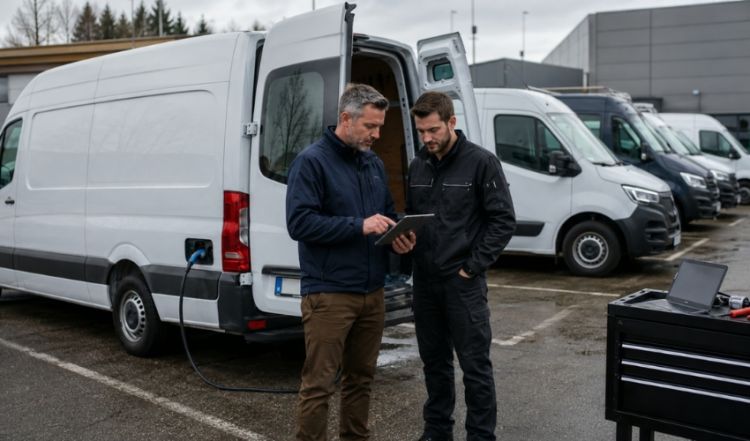
Starting June 1, 2025, new MOT rules in the United Kingdom changed how certain electric vans are inspected and regulated. The changes affect electric vans between 3.5 t and 4.25 t, which, due to the additional battery weight, are now subject to different inspection requirements.
For many fleet managers, this reflects a broader shift across fleet operations as electrification introduces new technical, operational, and compliance demands.
What Is Changing for Electric Vans?
Electric vans between 3.5 t and 4.25 t must now undergo MOT inspections at authorized HGV testing facilities, rather than standard light commercial vehicle testing centers.
The rule applies particularly to electric vans driven under the UK’s Category B license exemptions, introduced to support the transition toward zero-emission transport.
The changes were implemented to ensure inspections account for:
- The additional weight caused by EV batteries;
- Different braking characteristics;
- Technical requirements specific to commercial electric vehicles.
This adjustment reflects the rapid growth of electric commercial fleets across the UK and the need for regulations to evolve alongside vehicle technology.
Why These Changes Matter for Fleet Managers
The impact goes well beyond compliance paperwork. The new MOT requirements directly affect:
- Maintenance planning and workshop scheduling;
- Fleet availability and operational downtime;
- Compliance management processes;
- Asset lifecycle and fleet renewal planning;
- Operational costs and vehicle utilization.
Unlike traditional fleets, electric vans require different operational monitoring and technical oversight. Many fleet managers now need to coordinate inspections, maintenance, and compliance within a more specialized operating environment.
Why Fleet Technology Becomes Even More Important
As compliance requirements become more complex, manual fleet administration becomes increasingly difficult to manage efficiently.
Fleet management solutions help companies:
- Track inspections and maintenance schedules;
- Create automatic compliance fleet alarms;
- Monitor vehicle utilization and operational status;
- Centralize technical and operational information;
- Reduce downtime and administrative failures.
For electric fleets, real-time visibility is particularly important because planning must also account for charging schedules, vehicle availability, maintenance cycles, and regulatory compliance.
The more electrified operations become, the more companies depend on connected data and centralized fleet management.
The Future of Electric Fleet Management
The new MOT rules are likely only the beginning of a broader regulatory evolution affecting electric commercial fleets. As EV adoption accelerates, fleet managers will increasingly need to adapt to:
- New technical and compliance requirements;
- Specialized maintenance procedures;
- Evolving operational regulations;
- More complex asset management processes.
The transition to electric mobility is changing how fleets need to be managed. Companies that invest in visibility, planning, and intelligent fleet management will be better prepared to operate electric fleets efficiently, remain compliant, and reduce operational disruption.
Are your electric vans ready for the latest compliance changes? Talk to our fleet experts, and discover how Frotcom’s intelligent fleet management software can help you stay compliant, reduce downtime, and manage your EV fleet more efficiently.