


Women Empowering the Trucking Industry
International Women’s Day and the role of inclusion in building safer and more resilient fleets.
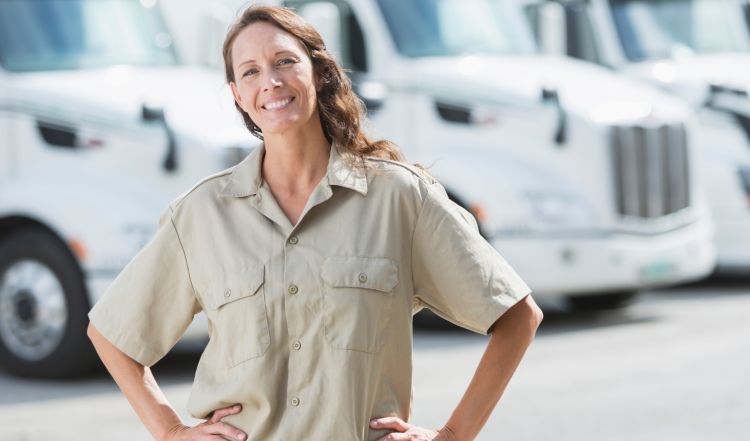
The trucking industry is a cornerstone of global supply chains, yet it continues facing growing pressure from a shortage of qualified drivers and a long-standing lack of gender diversity. As demand for safe, reliable, and compliant transport continues to rise, these challenges are becoming increasingly complex to ignore.
Understanding the historical context of women’s participation in trucking helps explain both the scale of the challenge and the opportunity for change. On International Women’s Day, this perspective reinforces the importance of inclusion and equal opportunity as practical factors in building a more sustainable and resilient transport sector.
Attracting and retaining women in trucking, whether behind the wheel or in operational, safety, and fleet management roles, is increasingly recognized as a response to real workforce and operational challenges rather than simply a social objective.
Workforce Challenges Addressed Through Inclusion
Despite the growing demand for skilled professionals, women still represent a small percentage of professional truck drivers worldwide. This contrasts with the evolving needs of modern fleet operations, where safety awareness, attention to detail, compliance with regulations, and responsible driving practices are increasingly valued as fleets operate under stricter safety and compliance requirements.
At the same time, thousands of driver positions remain unfilled globally, and an aging workforce is expected to deepen this shortage in the coming years. Broadening access to the profession and removing barriers to entry helps fleets respond more effectively to these challenges by building a broader, more diverse workforce.
Encouraging more women to enter the trucking industry is therefore a strategic approach to strengthening operational capacity and ensuring continuity in an increasingly demanding environment.
Diversity as a Driver of Safety and Resilience
Research and industry experience consistently show that diverse teams perform better in complex, high-stakes environments. In trucking and fleet management, diversity contributes to stronger safety cultures, improved risk management, and more collaborative working practices.
More inclusive teams tend to:
- Reinforce safety awareness and regulatory compliance;
- Improve communication across operations;
- Encourage shared responsibility and accountability;
- Contribute to more stable and professional fleet environments.
These outcomes directly support safer roads, more reliable operations, and long-term business sustainability.
Building a Future-Ready Trucking Industry
Empowering women in trucking starts with creating inclusive working conditions, providing equal access to training and career development, and fostering workplace cultures that value competence, professionalism, and performance.
As the industry continues to evolve, embracing diversity is an essential step toward building better-prepared fleets for today’s operational challenges and tomorrow’s demands.
This March, we recognize the women already contributing across transport and logistics. Join us in reaffirming inclusion as a foundation for a stronger, more sustainable trucking industry!