


COP30: What the Climate Conference Means for Fleets
Discover why COP30 is more than a global climate event and how its outcomes are already influencing fleet operations in 2026.
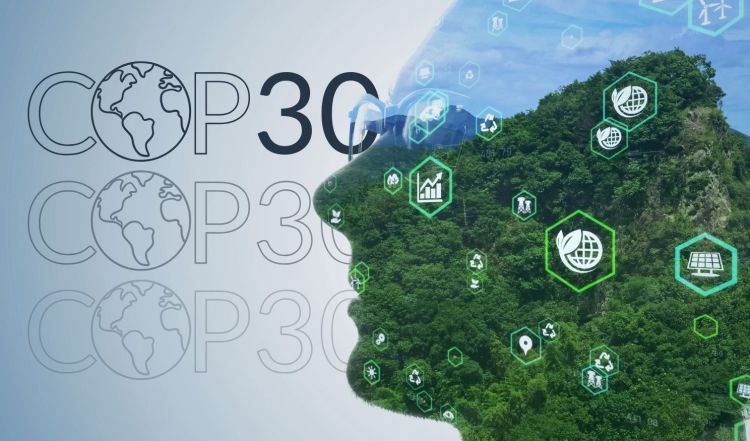
As the global climate agenda moves forward, the 30th Conference of the Parties (COP30) marks a significant milestone for governments, industries, and businesses worldwide. This conference, held in Brazil, focuses on how international climate commitments are converted into practical operational changes that impact vehicles, routes, costs, and daily decision-making.
For fleet-based businesses, climate policy is no longer a distant or theoretical topic. Emissions reduction targets, energy efficiency requirements, and sustainability reporting obligations are already shaping how fleets operate, particularly in regions where transportation plays a crucial role in economic activity.
From Global Commitments to Local Fleet Impact
One of the key outcomes of COP30 is the reinforcement of national and regional climate strategies, particularly in the road transport sector. Governments are accelerating policies that promote cleaner mobility, enhance energy efficiency, and increase transparency regarding environmental performance.
For fleets, this means increased pressure to monitor and report emissions, optimize fuel consumption, and demonstrate progress toward sustainability goals. Decisions such as vehicle selection, route planning, and driving behavior are now directly linked to both environmental performance and operational efficiency.
Why Data Matters More Than Ever After COP30
As climate commitments become more demanding, accurate data becomes essential. Fleets are expected to understand their environmental footprint and act to reduce it, using clear and measurable indicators. Accurate fleet data is crucial for modern fleet operations, since without reliable data, sustainability targets remain difficult to manage and even harder to prove. This is why fleet managers are increasingly relying on accurate, real-time information to support informed decisions.
Fleet data helps you to:
- Measure fuel consumption and CO₂ emissions.
- Identify inefficient trips and routes.
- Understand how driving behavior impacts the environment.
- Track progress over time with confidence.
By using fleet management software to integrate environmental data with everyday operations, sustainability becomes part of normal business processes rather than an additional task.
Preparing Your Fleet for Climate Action
COP30 makes it clear that climate expectations will continue to evolve. Fleets that prepare early gain greater flexibility to adapt to new regulations, urban restrictions, and reporting requirements, while minimizing operational disruption.
Frotcom supports this readiness by providing the needed visibility into fleet activity to understand environmental impact, support continuous improvement, and respond confidently to changing sustainability demands.
Looking for a solution that helps you understand how climate commitments translate into fleet action? Discover the fleet management features that support compliance, emissions monitoring, and more sustainable operations.