


Fuel Fraud Beyond Theft: Silent Losses Fleets Overlook
Understand how unnoticed fuel losses inflate costs and why visibility is essential for fleet control.
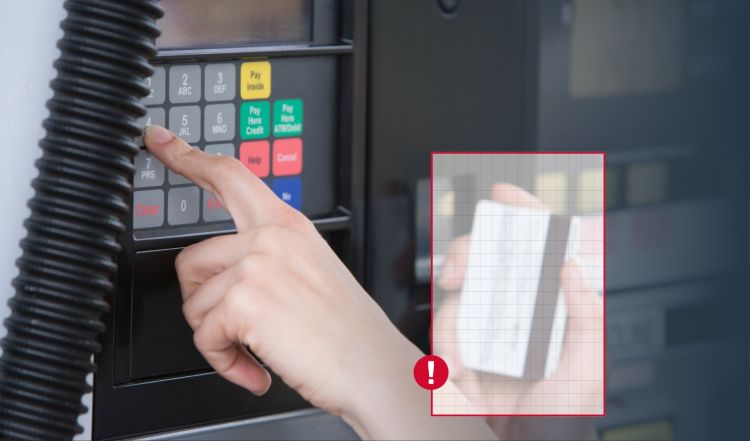
Fuel fraud is often associated with dramatic events, such as siphoning fuel or blatant misuse of company resources. However, in reality, most fuel losses occur quietly, in small amounts, repeated over time, rarely triggering alarms. These losses are frequently mistaken for everyday consumption or operational inefficiencies, making them difficult to detect and even more challenging to stop.
When fuel losses blend into daily operations, they distort performance data, inflate operating costs, and gradually erode profit margins. Regardless, identifying how fuel is being lost can be the first step toward regaining control.
Fuel Card Misuse Hidden in Daily Operations
Fuel cards are essential tools, but they can also enable silent losses when controls are weak. Unauthorized fueling often appears as minor irregularities rather than clear violations. Common warning signs include:
- Refueling outside approved routes or working hours;
- Fueling vehicles that do not belong to the fleet;
- Multiple refueling events within short periods.
Without fleet management reports that allow you to cross-check refueling data against vehicle location and mileage, these deviations often go unnoticed.
Partial Siphoning That Rarely Triggers Alerts
Fuel theft does not always involve empty tanks. Partial siphoning, where small quantities are repeatedly removed, is far harder to detect. Because volumes are low, short-term consumption figures may still look acceptable.
Over time, however, these small losses accumulate into high costs, especially when historical consumption patterns are not reviewed. With fuel management, you can reveal what is happening across your fleet and uncover opportunities to save on fuel and optimize operations.
Consumption Inconsistencies and Manipulated Records
Differences between expected and actual fuel consumption can point to deeper issues, and these discrepancies may result from:
- Incomplete or manipulated records;
- Intentional or negligent reporting errors;
- Fuel misuse is hidden behind inconsistent data.
Comparing current usage with historical trends and real operating conditions is crucial for identifying these patterns and understanding their root causes.
Weak Processes and Lack of Accountability
Fuel fraud thrives when processes are unclear and inconsistent. The absence of validation, reporting, and accountability allows minor irregularities to become systemic over time. Effective fuel control for a fleet depends on:
- Clear fueling rules and policies;
- Data validation and cross-checking;
- Regular review and accountability.
Visibility Is the First Line of Defense
Preventing fuel fraud demands continuous visibility, data correlation, and pattern analysis. Technology helps your fleet achieve a correct balance and maintain efficient and regular operations. Instead of absorbing unexplained fleet costs, businesses can redirect that money toward growth and strategic investment.
Are silent fuel losses draining your fleet budget? Start analyzing your fuel data with intelligent fleet management tools and uncover hidden inefficiencies before they become significant losses.