


Fleet Risk Management: Identify Your Most Dangerous Assets
Understand how mapping risk across vehicles, drivers, and routes helps you prevent incidents before they happen.
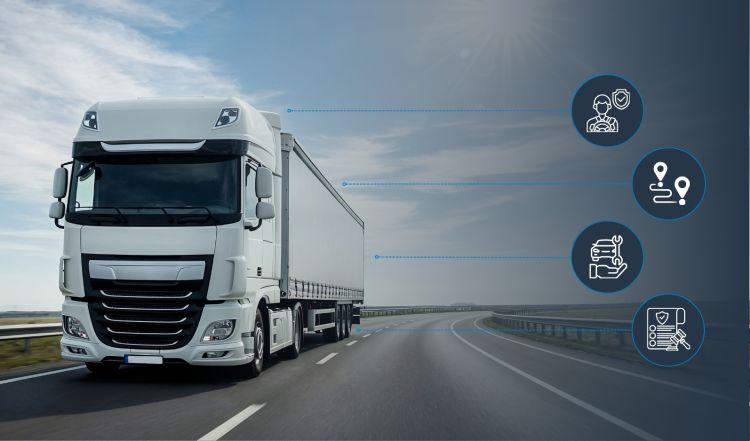
Every fleet carries risk, but not all risks are equal. Many managers know risk exists but struggle to identify its exact source, often viewing it as a constant, invisible threat rather than a series of controllable factors. As a result, they are forced to react only after accidents occur. The most effective fleets have stopped asking, "Where will the next incident happen?" and started asking, "Which are my most dangerous assets today?"
Building a fleet risk map helps you transform scattered data into a clear picture of your operation and where attention is truly needed.
Why Fleet Risk Often Remains Invisible
In many fleets, risk remains hidden because information about incidents, maintenance, routes, and driver behavior is spread across different reports or systems, making it difficult to see how minor issues connect over time.
Without a consolidated view, these events can appear isolated and manageable, even when they are part of a recurring pattern. A fleet risk map addresses this by combining operational data into a single view, helping you recognize trends, spot recurring risk signals, and focus attention on areas with consistently higher exposure.
What a Fleet Risk Map Reveals
When fleet data is analyzed collectively, risk patterns become more transparent and easier to act on. A structured risk map helps identify:
- Vehicles with recurring incidents, alerts, or abnormal usage.
- Repeated risky driving behavior or signs of fatigue.
- Routes associated with higher accident rates or operational stress.
- Assets linked to higher maintenance, repair, or insurance costs.
This level of visibility enables fleets to prioritize resources and interventions that deliver the most significant impact.
From Risk Identification to Prevention
Identifying risk is only the starting point, since the real value of fleet risk management lies in prevention. With a clear understanding of where risk is concentrated, you can take targeted actions, such as:
- Prioritizing driver coaching;
- Adjusting routes or schedules;
- Proactively planning vehicle maintenance;
- Reinforcing safety policies before issues escalate.
This focused approach improves safety and operational stability while avoiding broad, one-size-fits-all measures that often increase workload without addressing the real causes of risk.
Managing Fleet Risk with Confidence
A fleet risk map helps managers focus on the areas that need the most attention. When driving behavior, vehicle data, and operational information are available in one place through clear dashboards, it becomes easier to spot disruptions early and act before issues escalate.
Want to understand where the highest risks exist in your fleet? Talk to our fleet experts and discover how our software can help you reduce fleet management risks and build a safer operation.