


How Rising Fuel Costs Are Reshaping Fleet Strategy in 2026
Why efficiency, visibility, and data are now critical to controlling fleet costs.
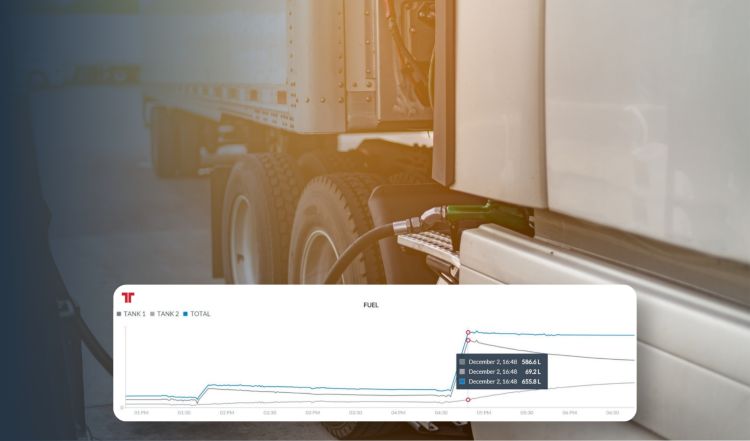
Fuel costs remain one of the most significant operating expenses for fleets in 2026. Ongoing economic uncertainty, supply chain disruptions, energy transition pressures, and regulatory changes have made fuel prices more volatile and harder to predict.
For many companies, this volatility is no longer a temporary challenge. It is driving a structural shift in how fleets are managed. When fuel represents one of the highest controllable costs, even small inefficiencies can have a major financial impact.
The Real Impact of Rising Fuel Costs
Higher fuel prices directly affect multiple fleet activities:
- Reduced profit margins;
- Increased pressure on pricing and competitiveness;
- More complex financial planning;
- Greater sensitivity to operational inefficiencies.
What was once considered a minor inefficiency, such as excessive idling, poor route planning, or aggressive driving, now carries significant cost implications. As fuel prices rise, every liter matters, and waste becomes a strategic issue rather than a marginal one.
From Reactive Fleet Management to Proactive Strategy
In the past, many fleets responded to rising fuel costs by adjusting budgets or passing costs to customers. Today, that approach is no longer enough.
Fleet management is shifting toward a proactive, continuous optimization model. Companies are:
- Reviewing vehicle usage policies;
- Optimizing routes and delivery planning;
- Investing in driver coaching and performance improvement;
- Evaluating more efficient or alternative vehicles.
The challenge is no longer just managing fuel prices. It is managing operational efficiency in a context of constant cost pressure.
Why Data Is Essential for Cost Control
Fuel cost control requires visibility. Without reliable data, inefficiencies stay hidden, and decisions are based on assumptions rather than facts.
Fleet management technology enables your business to:
- Monitor fuel consumption consistently;
- Identify waste such as idling, detours, and inefficient driving;
- Compare performance across vehicles, assets, and drivers;
- Generate fleet management reports and advanced dashboards to analyze trends and outliers;
- Automate fleet alarms and improve operational control.
With the right data, fuel management becomes a continuous process you can track and improve over time.
Practical Strategies to Reduce Fuel Consumption
With a data-driven fleet management solution, you can take targeted actions that deliver measurable results:
- Route planning and monitoring: Reduce unnecessary mileage and travel time;
- Driving behavior analysis: Minimize harsh acceleration, idling, speeding, and inefficient driving habits;
- Preventive vehicle maintenance: Keep vehicles operating efficiently, and avoid performance issues that increase consumption;
- Performance analysis: Identify patterns and optimize usage per vehicle and trip.
Small improvements, when applied consistently, generate significant savings over time.
Looking Ahead: Efficiency as a Competitive Advantage
Rising fuel costs are accelerating broader changes in fleet management. Companies face growing pressure to reduce emissions, adopt more efficient technologies, and use data to support decision-making. In this context, fuel efficiency is no longer just about reducing costs. It is becoming a key factor in competitiveness, sustainability, and long-term resilience.
The fleets that succeed in 2026 will be those that move beyond reacting to fuel prices and instead build operations based on visibility, data, and continuous improvement.
Want to see how companies are improving efficiency with Frotcom? Explore Frotcom case studies and learn how businesses like yours are optimizing operations, lowering fuel consumption, and gaining stronger operational control over their fleets with intelligent fleet management solutions.